Protein Maxxing: What New Studies Say About Protein and Longevity
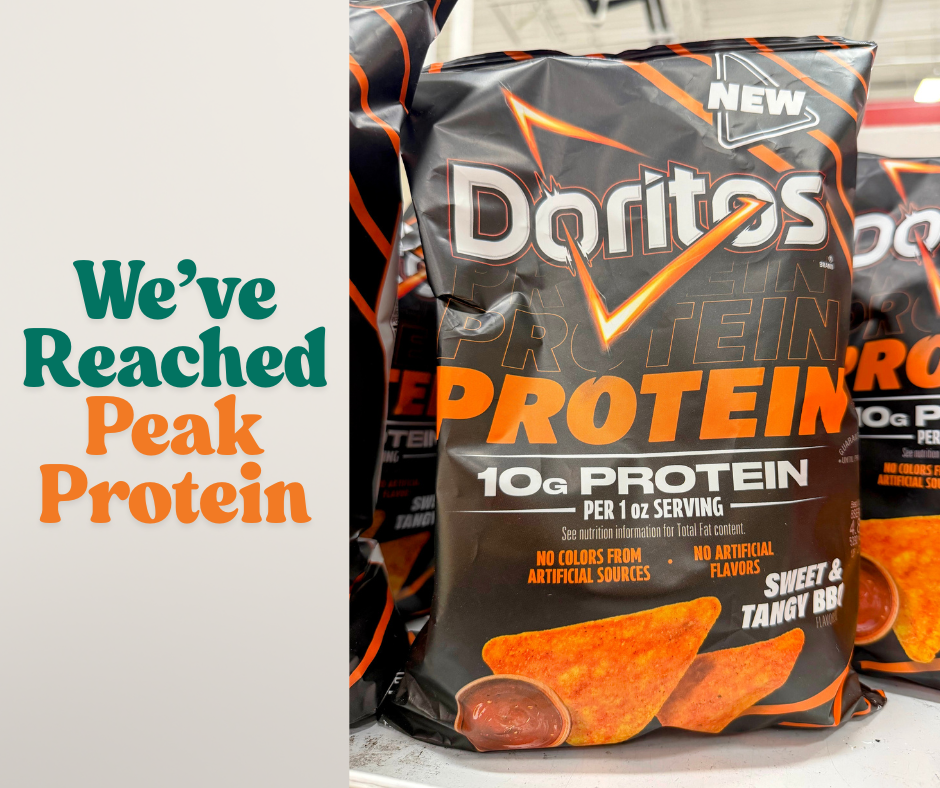
Protein is everywhere. Protein bars, protein shakes, protein cereal, even protein Doritos! Somewhere along the way, the wellness world decided that if some protein is good, more must be better. There’s even a name for it now: “protein maxxing.”
We’ve gone overboard.
A major new review published in Cell Press Blue analyzed more than 350 studies on protein, health, and aging. In human trials, people who ate less protein lost weight and body fat and improved their fasting blood sugar, even though they sometimes ate more total calories. In animal studies, those eating less protein lived longer, even when they weren't eating fewer calories. In other words, less protein was associated with better outcomes even if calorie count was unchanged.
While this review doesn't prove that eating less protein will make you live longer (because nutrition is notoriously difficult to study), it does challenge the fad that maximizing protein is the fountain of youth.
A second 2026 study in Cell Metabolism adds more fuel to the moderate protein fire. Researchers gave older mice a mostly plant-based, relatively low-protein diet with carefully controlled amounts of essential amino acids.
The lower-protein mice (who still had an adequate amount of protein) accumulated less fat, became less frail, maintained their lean body mass, and spent more of their lives in good health. They could actually eat as many calories as the other mice and still lose fat without losing muscle. How about that!
Researchers examined dietary and health data from more than 200,000 people. Folks eating the most animal protein had more obesity and about twice the prevalence of diabetes compared with people eating very little animal protein. That part of the study was observational, so we can't say the protein caused the difference. Still, it's another reason to question whether more protein is always better.
You may be eating too much protein, according to new research
Of course, protein isn't bad. Athletes need protein to recover and build muscle. Older adults who are losing muscle may benefit from more. People recovering from illness, losing significant weight, or dealing with conditions such as active inflammatory bowel disease may also have higher needs. The right amount depends on who you are and what you're doing.
That's the problem I have with protein maxxing. It is a huge oversimplification. There’s no one-size-fits-all solution to protein. It must be customized. Young basketball stars need more; middle-aged couch potatoes need less.
Dr. Peter Attia has been one of the most prominent advocates for higher protein intake in the longevity world. He was also an investor in the ultra-processed David Protein bars and served as its Chief Science Officer until February 2026. While I’m not saying that his recommendations were financially motivated, consumers should understand the financial relationships behind the health advice they hear. This is particularly true for social media-savvy wellness influencers like Dr. Attia.
To be clear, I’m not saying that you should eat a low-protein diet. Just don’t protein-max because your favorite wellness influencer tells you to.
At Buckhead Longevity, we individualize nutrition based on your age, exercise, muscle mass, metabolic health, medical conditions, and goals. I've spent years working with high performers, athletes, and non-athletes, and their needs can be dramatically different.
Nutrition is extraordinarily hard to study, so we should be humble about it. More isn't always better, and customization wins the day.
Dr. Gregory Charlop here, the leading longevity, retirement, and lifestyle concierge medicine physician in Buckhead. We use lifestyle medicine (which combines exercise, sleep, nutrition, deep social relationships, and select medications) to help our executive patients look and feel better.
Do you live in the Atlanta, Buckhead, or Alpharetta area and have questions about wellness and concierge medicine? Let’s chat. We also serve patients in California and Texas via telemedicine.